There is a moment in every well-lived room when you stop noticing the furniture and start feeling the space. For many of us raised on catalogs of perfectly matched sets, this can be disorienting. Where is the symmetry? Where is the polish? In a wabi-sabi living room, the answer is simple: it was never there to begin with.
Wabi-sabi is the Japanese aesthetic principle of finding beauty in imperfection, impermanence, and incompleteness. It is not a style you can buy. It is a way of seeing—and a way of living—that transforms how you relate to the objects around you.
What Wabi-Sabi Looks Like in Practice
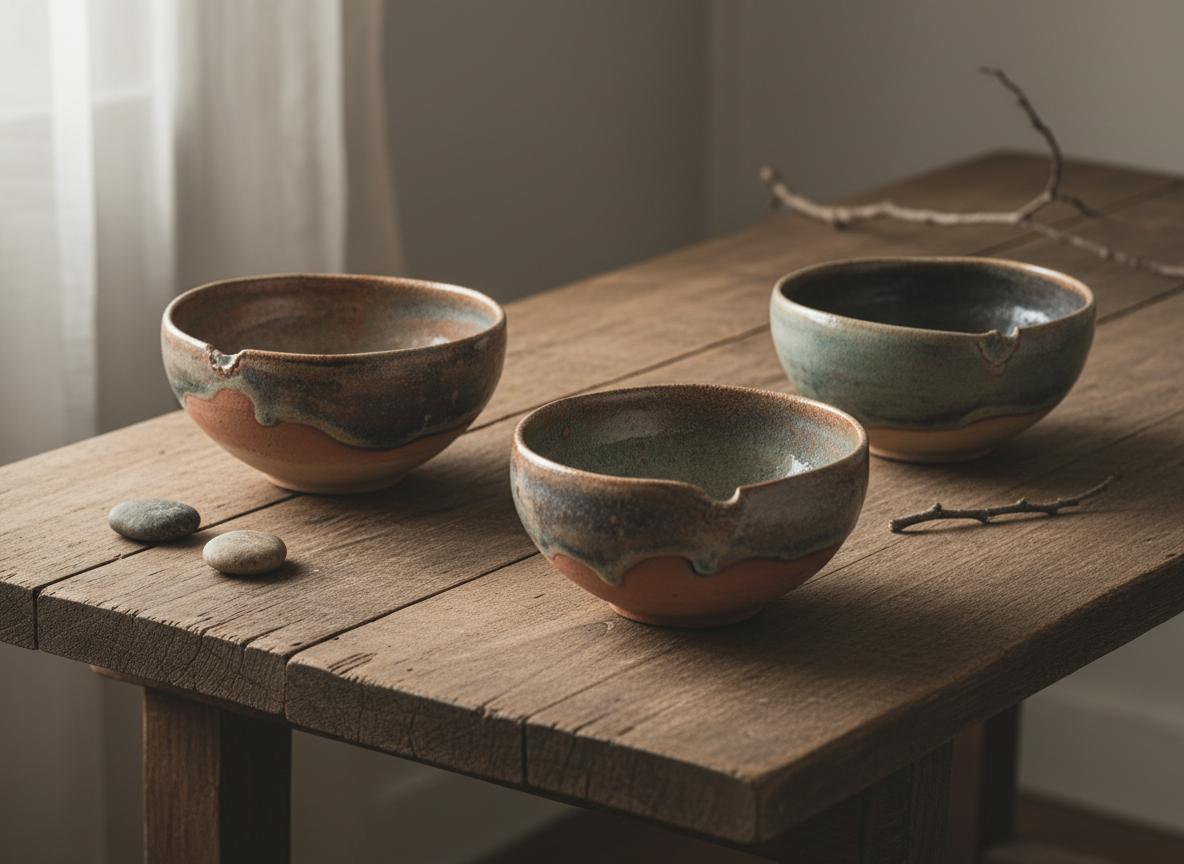
Imagine a living room where the sofa has softened over a decade of use, its cushions bearing the gentle imprint of regular habitation. The coffee table is a single slab of wood with a live edge—its surface uneven, its grain unpredictable. On it sits a ceramic bowl, slightly asymmetrical, holding a few smooth stones collected from a beach walk. The walls are bare except for a single kakejiku scroll, changed with the seasons.
This is not minimalism in the Western sense—an exercise in reduction and control. Wabi-sabi is warmer, more forgiving. It allows for clutter if the clutter has meaning. It prefers the handmade to the machine-made, the weathered to the pristine, the modest to the grand.
Materials That Age Gracefully
The foundation of a wabi-sabi living room is material honesty. Choose surfaces and objects that improve with time rather than degrading.
Wood: Solid wood furniture develops a patina that no factory finish can replicate. Look for pieces with visible grain, knots, and natural imperfections. Avoid veneered particle board—it chips and wears poorly.
Linens and cottons: Natural textiles soften and wrinkle with use. Embrace the creases. A linen sofa cover that has been washed fifty times has a texture that invites touch.
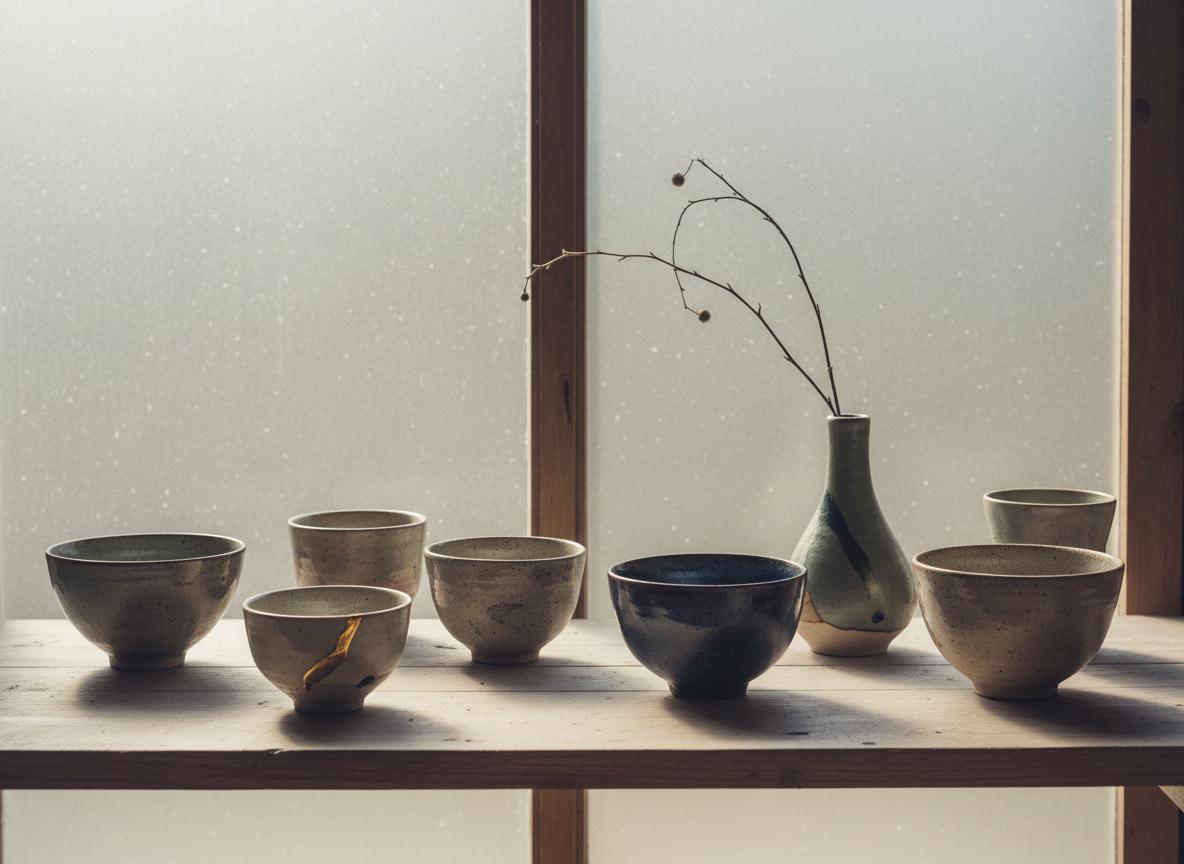
Ceramics: Handmade pottery will have irregular glazes, slight warps, and thumbprints. These are not flaws—they are signatures. A collection of mismatched tea bowls can be more visually interesting than a matching set.
Creating Asymmetry
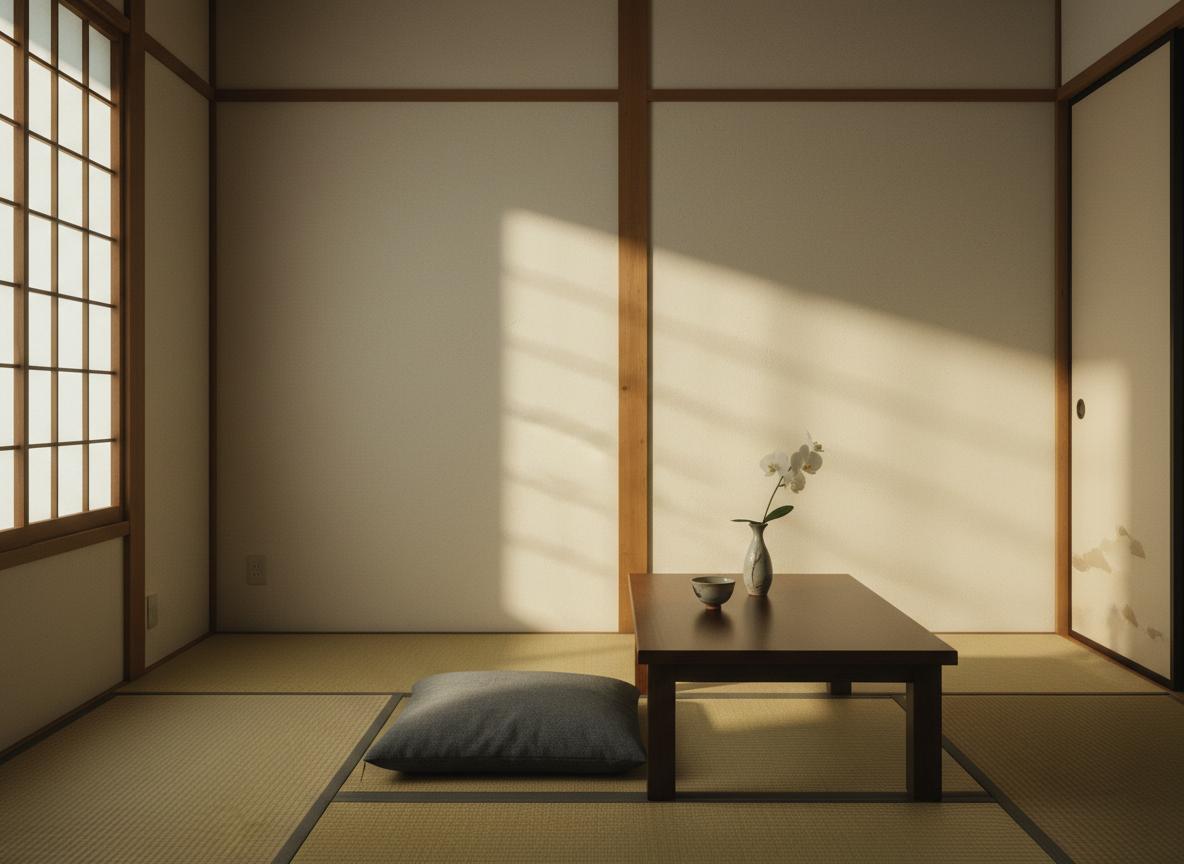
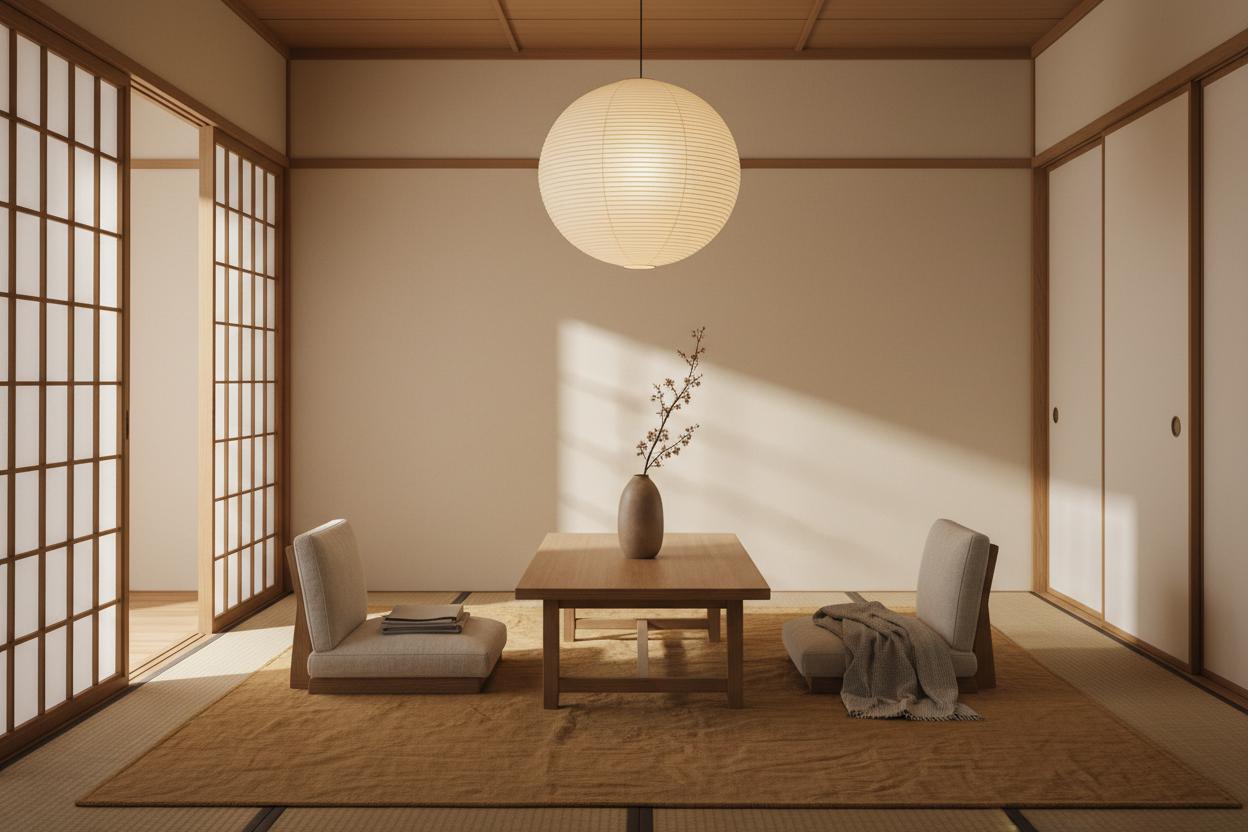
Japanese interiors rarely display the symmetrical arrangements common in Western design. Instead of two matching lamps flanking a sofa, try a single floor lamp with a paper shade. Instead of a pair of armchairs, use one chair and one floor cushion. The resulting imbalance creates visual tension that keeps the eye moving.
Asymmetry also applies to wall decor. A single large piece of art off-center can be more compelling than a centered gallery wall. Leave generous empty space around it—negative space is as important as the objects themselves.
Key Takeaway
Start with one corner of your living room. Remove everything from it. Add back only objects that are handmade, weathered, or personally meaningful. Live with it for a week before adding more.
Embracing the Process
The most important thing to understand about wabi-sabi is that it is never finished. A wabi-sabi living room evolves. The wooden table develops scratches. The linen fades. The ceramic collection grows. Each change is not a deterioration but a deepening.
This philosophy can be liberating for those of us who feel pressure to have a "complete" home. There is no complete. There is only where you are now, and the quiet beauty of that moment.